

Introduction — Why the first 30 days matter
Most people assume the first weeks of streaming are about going viral. They are not. The measurable aim for this period is habit formation: developing a consistent visible presence that earns trust and lets you practice clarity, confidence, and competence.
I used to be the person who said, “don’t put me on camera.” I learned—through messy lighting, imperfect audio, and more than a few cringe moments—that the medium rewards authenticity and repetition more than perfection. If you can show up regularly, the mechanics, the tech, and the polish will follow. The trick is to plan the 30 days so you don’t quit at week two.
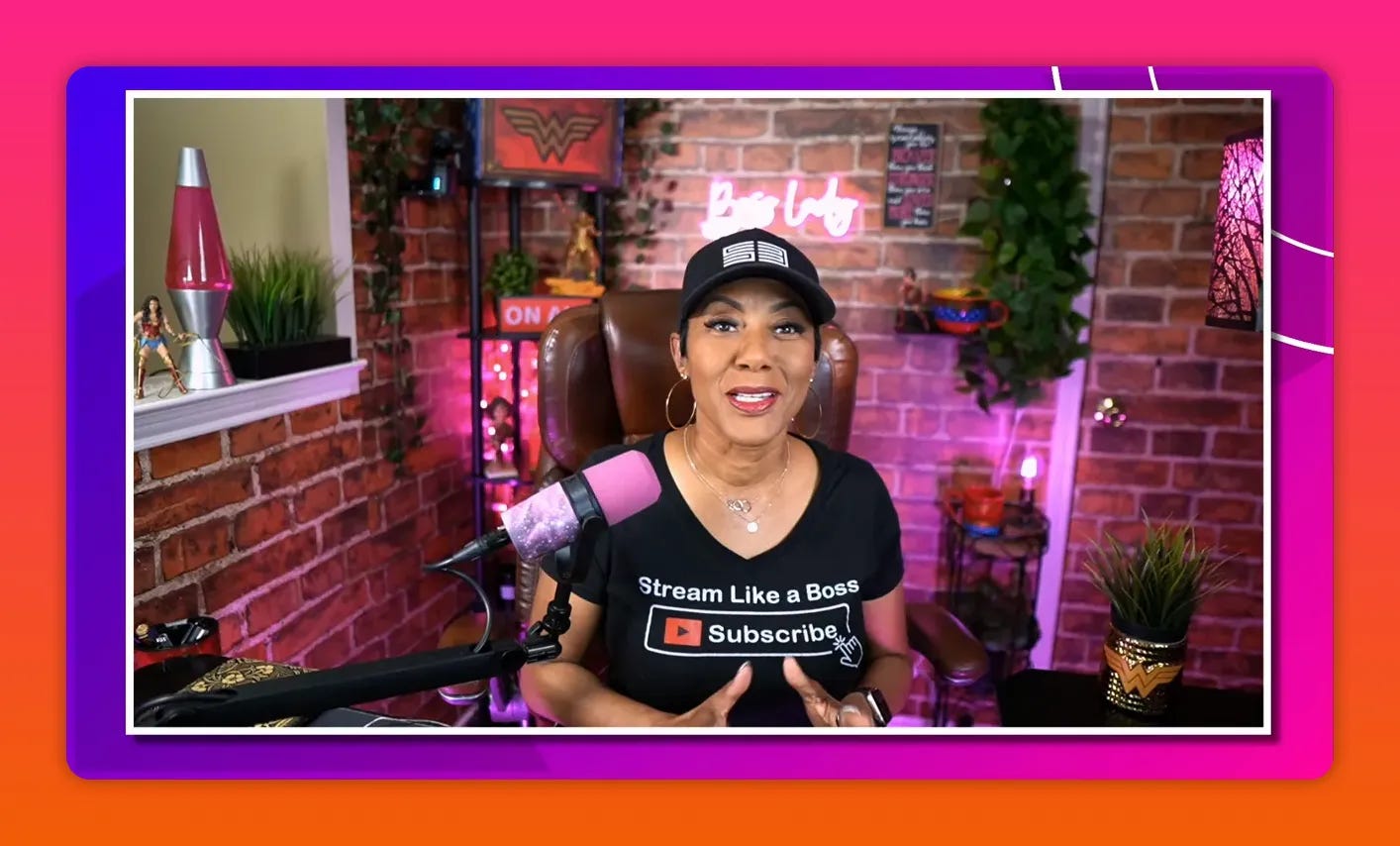
Week 1 — Give yourself permission to show up messy
Expectation: you will feel great immediately after your first live. Reality: you’ll rewatch and focus on all the things you think you “messed up.” That’s normal. The point of week one is not to be perfect. The point is to be present.
Mindset: Replace viral-driven thinking with a visibility mantra: I want to reach the right people with the right message at the right time. Aim to reach the right, not the most.
Tools: Start simple. Use native platform tools—Go live on the platform where your people are (Facebook, Instagram, LinkedIn, YouTube, Substack). Your phone is fine. Don’t let tech be an excuse.
Time commitment: Plan for 20–30 minutes of prep plus the live itself. Twice a week can be a stretch; once a week is realistic and sustainable for many.
Week one is also the place to get comfortable with engagement. Name and acknowledge people in the chat. That direct recognition is an early trust-builder and feels good for both you and the people who show up.
Week 2 — What do I say? Use the 3C Live Stream Compass
By week two you have shown up. The question becomes: what do you actually say on camera? Don’t aim for profundity. Aim for repetition with purpose. The fastest way to get traction is to use a simple framework I call the 3C Live Stream Compass:
Clarify — Identify one clear pain point your audience has.
Connect — Tell a short story, give a concrete example, or show how you solved that pain for someone.
Convert — Offer one clear next step. This is not a sales pitch; it is a simple invitation (a downloadable, a link to join your list, a free consult).
“Your goal is simply to be repetitive with purpose.”
Clarifying a pain point and connecting with a short story is powerful because stories reveal your approach. I’m a researcher by trade, so I translate complex information into simplified, actionable points. Use your background and curiosities—those are your content gold mine.
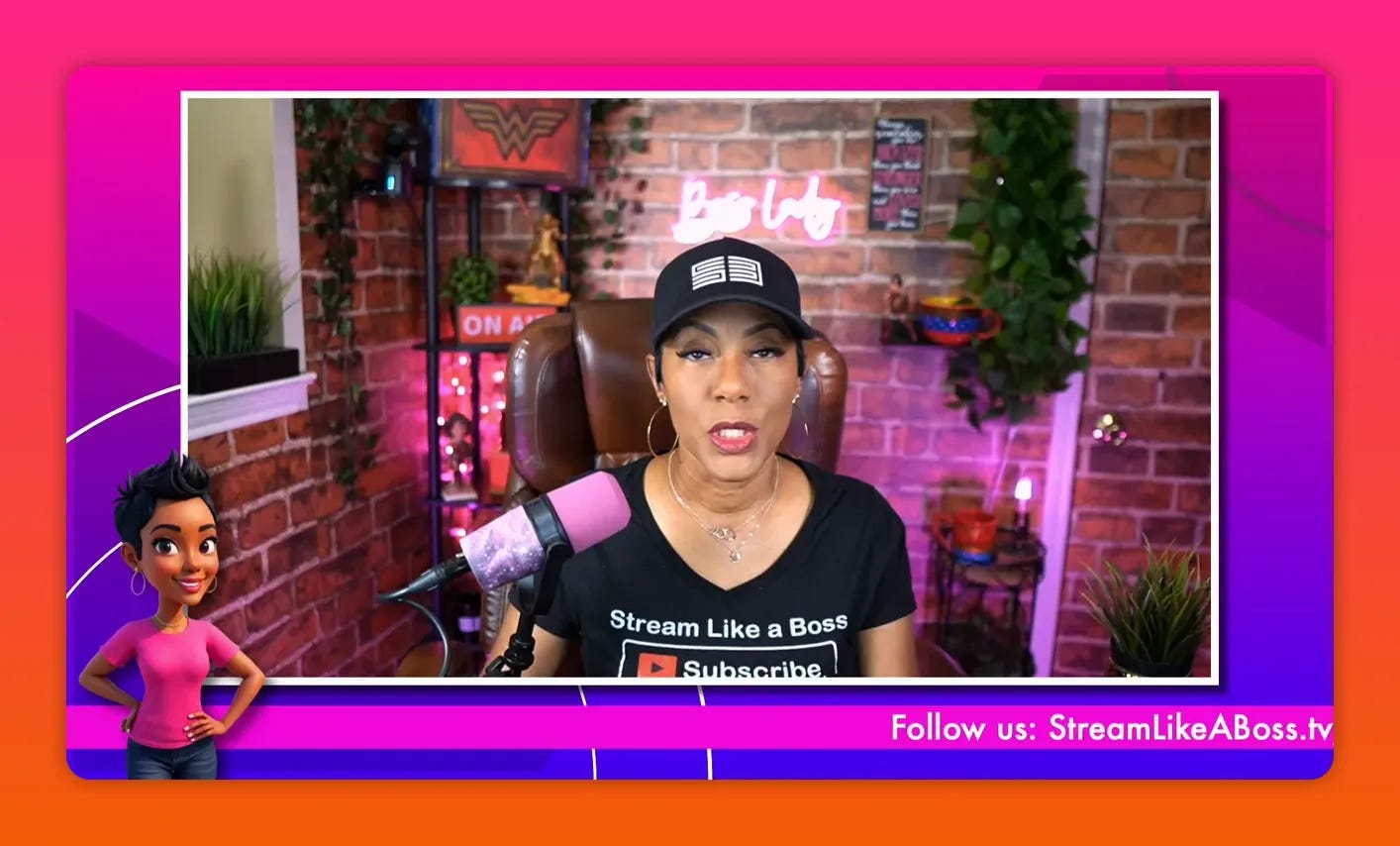
Week 3 — Simplify your call to action (one link, one destination)
Once you’ve started finding your voice, create a singular, predictable CTA. Don’t scatter people across five different links. Give them one place to go.
Options for the single link:
A simple Linktree-style page
Your website landing page with a short menu (book a call, subscribe, best video)
Your YouTube channel if that’s your primary hub
Why one link works: it removes decision friction. Most people will do nothing when given too many options. Give them one clear, mobile-friendly path to continue the relationship—subscribe, book a call, download a resource.
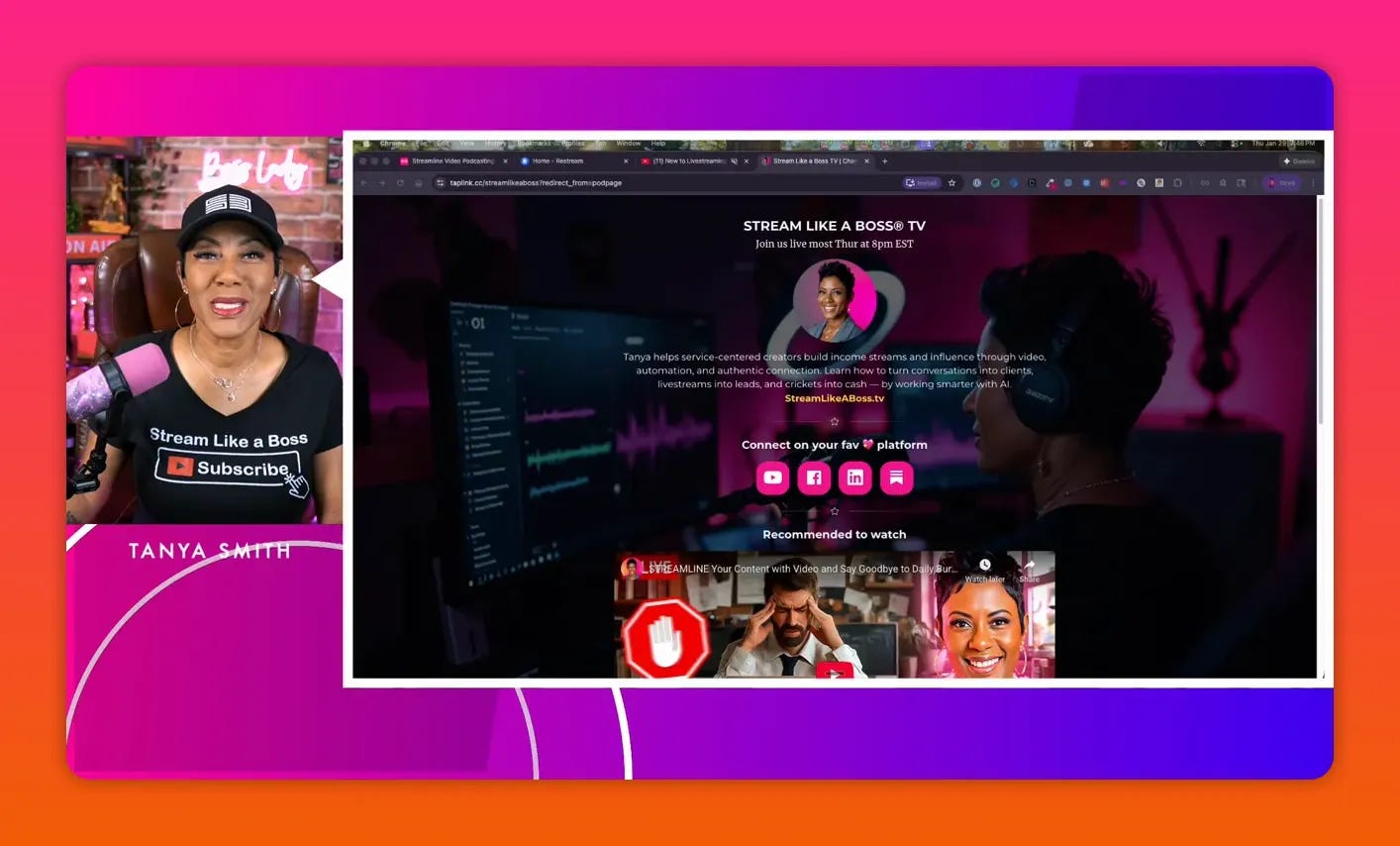
What to include on that single destination
Your most helpful video or resource (one that answers a high-frequency question)
A simple booking option or email subscription
One other useful link—no more
Examples: I put a favorite video about avoiding burnout on my CTA page because it’s helpful and it demonstrates my approach. Your CTA should reflect how people can work with you in a low-friction way.
Week 4 — Flow over followers; build routines and resilience
By week four you should feel less amateur and more in rhythm. Flow is the metric to measure, not followers. Flow means you move through prep, deliver, and follow-up with a repeatable process that conserves creative energy.
Key adjustments to create flow:
Environment: Create a space that primes you mentally. A candle, a photo, a totem that reminds you of why you do this—small rituals reduce friction and improve consistency.
Schedule experimentation: Test different times until you find your personal sweet spot. Fit streaming into your life, not the other way around.
Boundaries: Decide what comments you will engage with and which ones you won’t. Don’t feed trolls. A calm, brief acknowledgment or silence is often the most effective response.
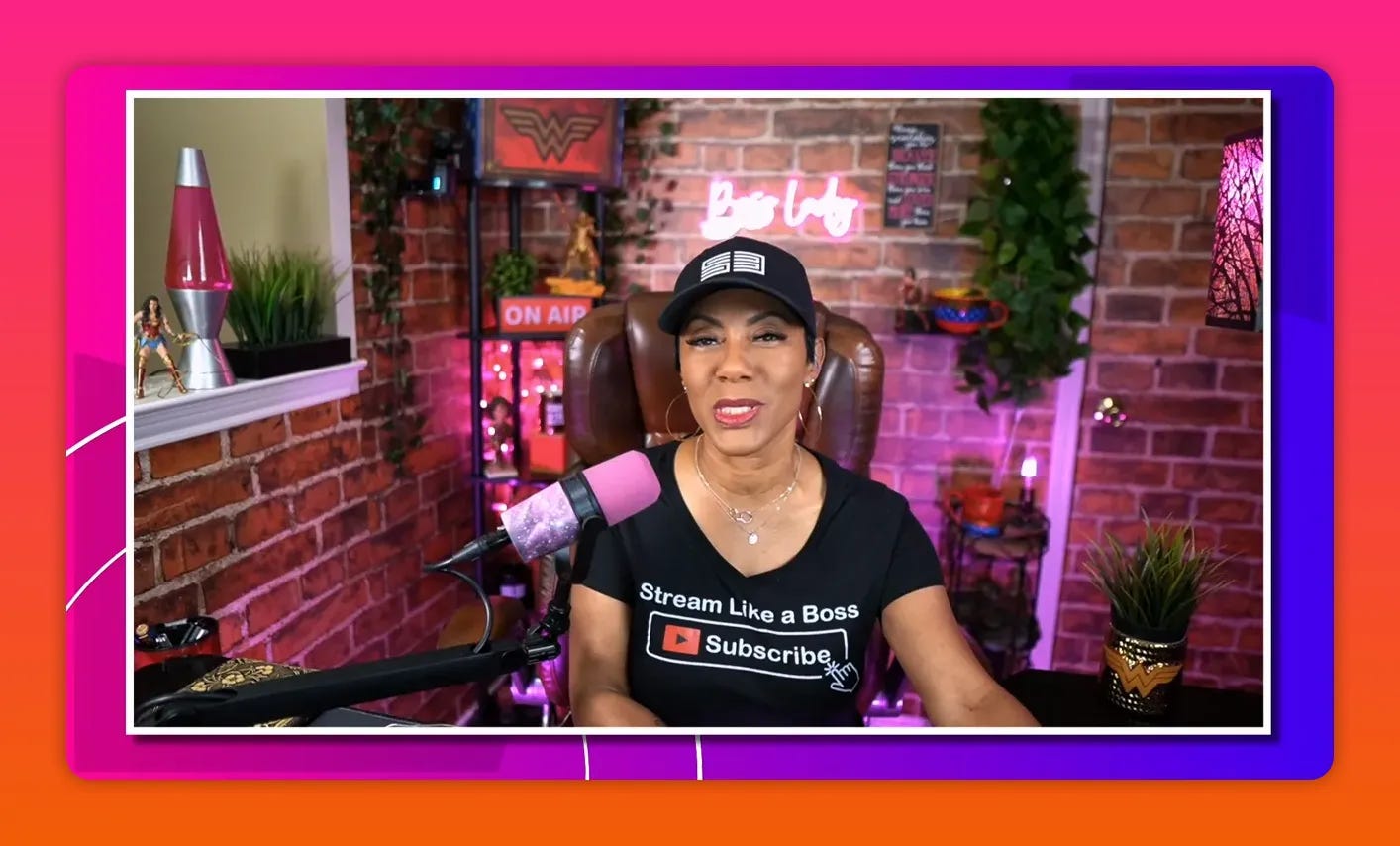
When the tech glitches, or when someone tries to throw you off your game, the routine and your mental prep are what keep you steady. That steadiness becomes an authority signal. People buy from those they trust and like, not from perfection.
Mindset, tech, and content storage — prevent small disasters
Two practical safeguards I always recommend:
Mindset first: The tech is rarely the real barrier; mindset is. Prepare mental anchors—reasons to show up, your audience’s pain point you solve, your one-sentence value proposition. Those anchors make the rest feel manageable.
Save local recordings: Platforms can remove or lose content. Use tools or streaming software that saves a local copy so you own your content. These files are a backup and building blocks for repurposing.
Video files use storage fast. Plan how you will archive and tag them so you can find clips for social posts, podcast episodes, or course modules later.
Recap — the simplest roadmap for your first 30 days
Week 1: Show up messy. Build the habit. Use native tools, keep it simple.
Week 2: Use the 3C Compass—Clarify one pain point, Connect with a short story, Convert with a simple next step.
Week 3: Create one CTA destination. Make it mobile-friendly and actionable.
Week 4: Focus on flow. Test your schedule. Build small rituals and guardrails.
Remember: Clients do not buy from perfect people. They buy from clear, trustworthy, human guides. Your ability to be consistent and meaningful will far outpace any camera upgrade you might chase in month one.
Conclusion & Call to Action
Your voice matters. Start with small, repeatable actions: show up, practice the 3C compass, and make it easy for people to take the next step with one link. If you want to keep this momentum going, commit to one live per week for 30 days and track how your confidence and clarity evolve.
If this article helped you, take one immediate step: pick a date and time for your first live session right now. Then set the three bullets for your 3C outline and send me a message where you’re sharing it. Tell me when you start—those progress messages make a difference.
One last note: Build systems, not perfection. Consistency and clarity win every time.

About the Author
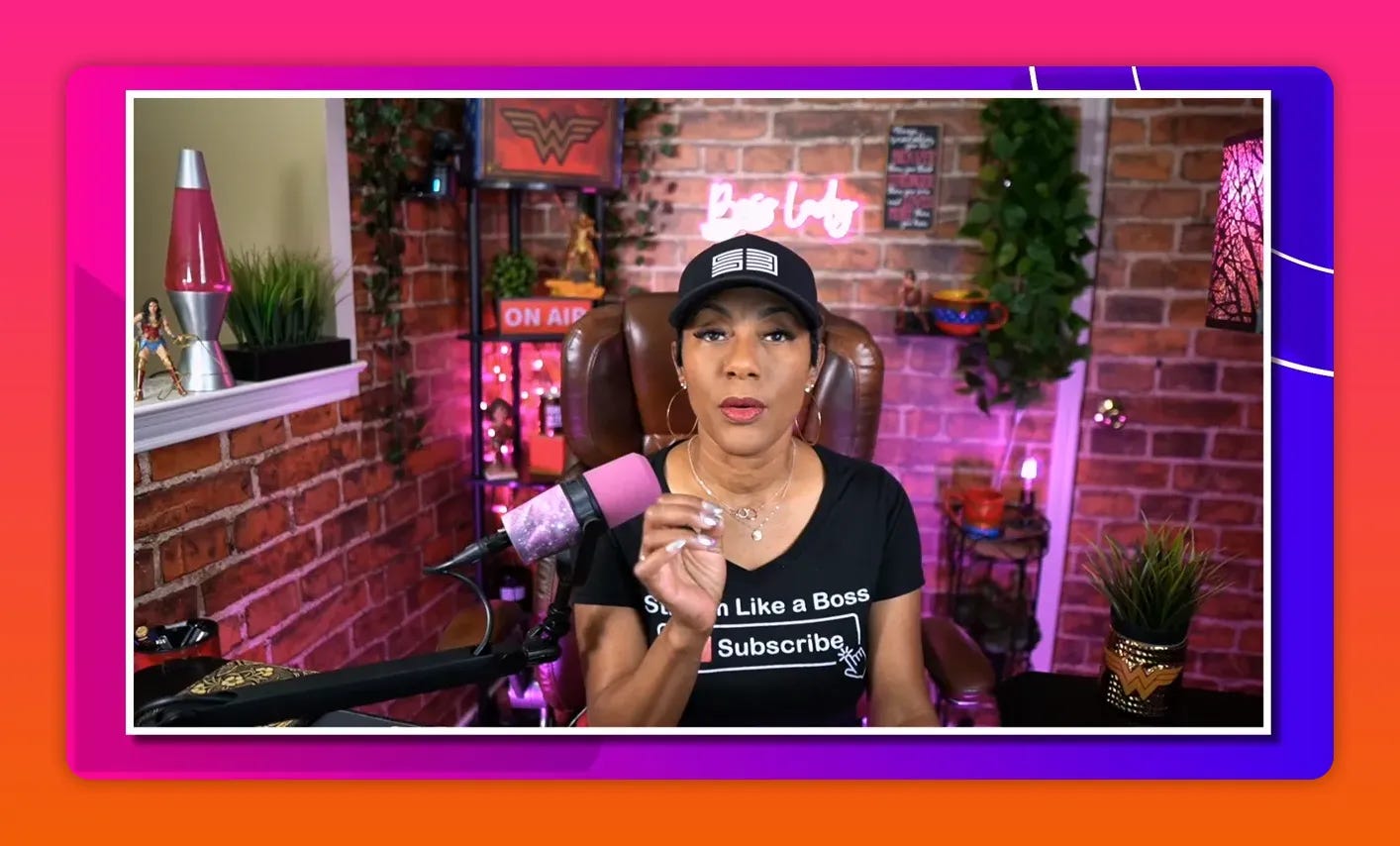
Tanya Smith is the CEO of Get Noticed with Video LLC and host of Stream Like a Boss® TV, where she helps podcasters and livestream creators turn crickets into clients—without chasing algorithms or losing their authentic voice. Through practical strategies and proven workflows, Tanya empowers creators to grow their audience, build authority, and monetize their message with confidence.
🎯 Want to know your unique livestream personality type?
Take the free quiz now: streamlikeaboss.tv/quiz


