

If you’re a coach, consultant, strategist, or designer, you already know the truth: expertise alone doesn’t create visibility. What does is clarity, consistent presence, and creating content with purpose. Too many of us stall waiting for the perfect camera, lighting kit, or webpage. The real blockers are psychological and strategic—not technical. This article lays out a practical, strategic approach to showing up with authority using what you already own, and how to turn one intentional session into a steady stream of content that grows your reputation.
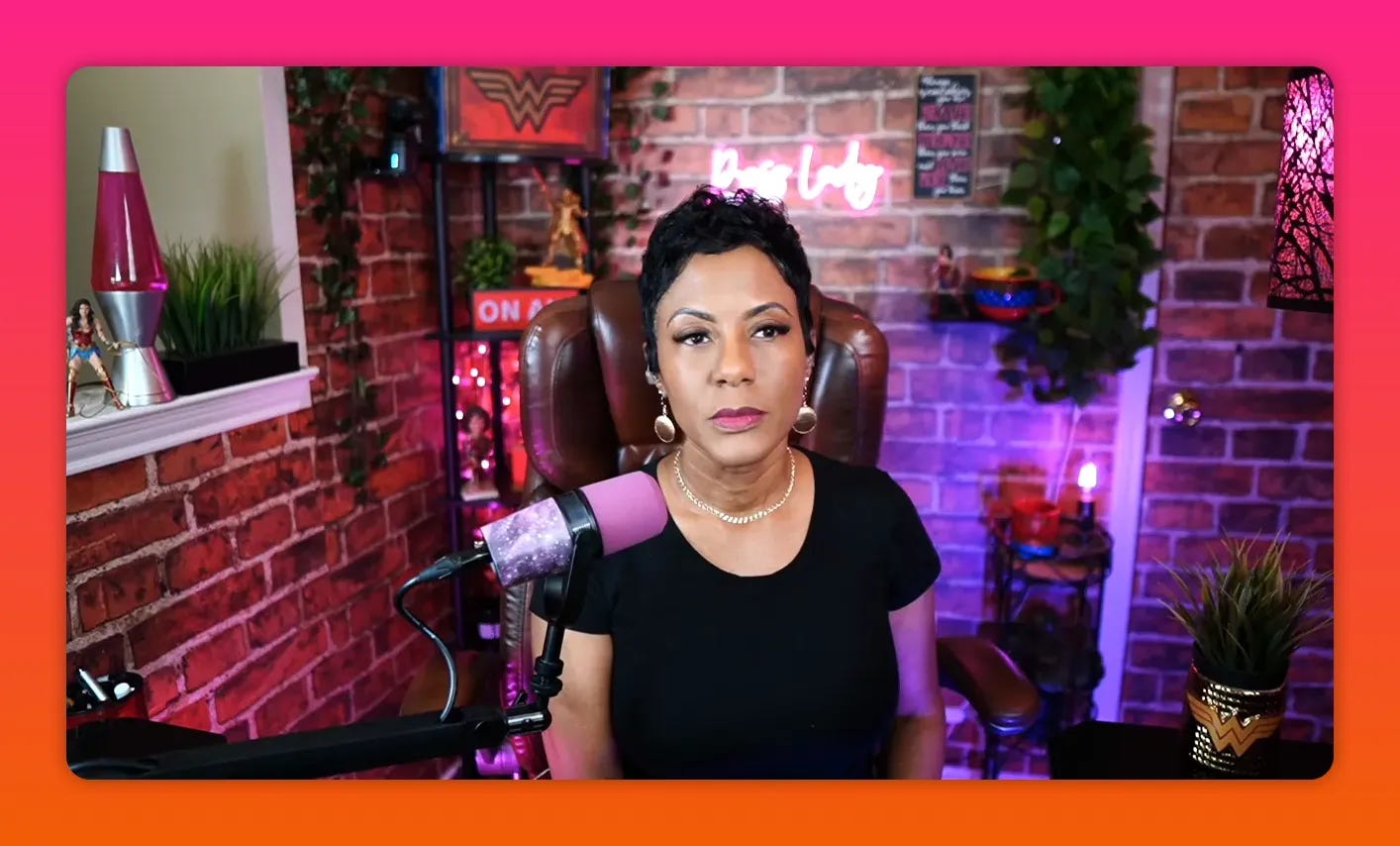
Thank you NO LIMITS NO BARRIERS, LaTara Venise, and many others for tuning into my live video! Join me for my next live video in the app.
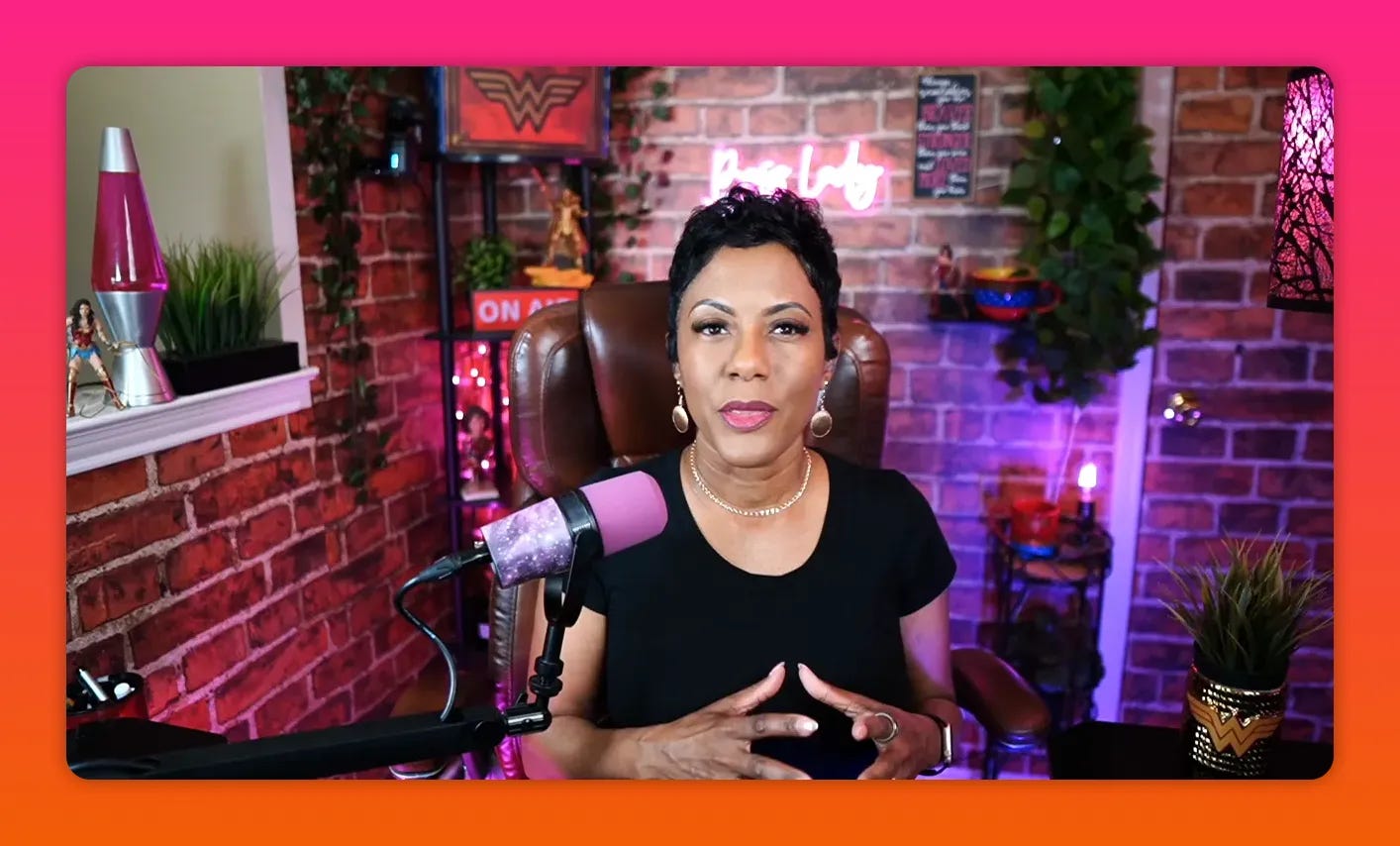
Why this matters now
Platforms change. Algorithms shift. Gear improves every year. But clients and audiences still need the same things: clear thinking, honest instruction, and a reliable presence from the people they trust. If you’re a creative service provider, your most valuable asset is your point of view. Your video or audio is simply the delivery method. Build the idea first. Then choose the simplest way to deliver it, consistently.
The core insight: authority comes from clarity and consistent presence
Put bluntly: authority doesn’t come from your camera. It comes from the clarity of your message and your willingness to show up and say something real. The camera is a tool. If you lead with the tool, you’ll always be sourcing your authority from the wrong place.
“Your expertise is already enough.”
That line is the heart of the strategy. You don’t need pristine production to earn trust. You need useful ideas, honest delivery, and enough regularity that people get familiar with you. The goal is to make an impact—help someone take a next step, change an idea, or see a problem differently.
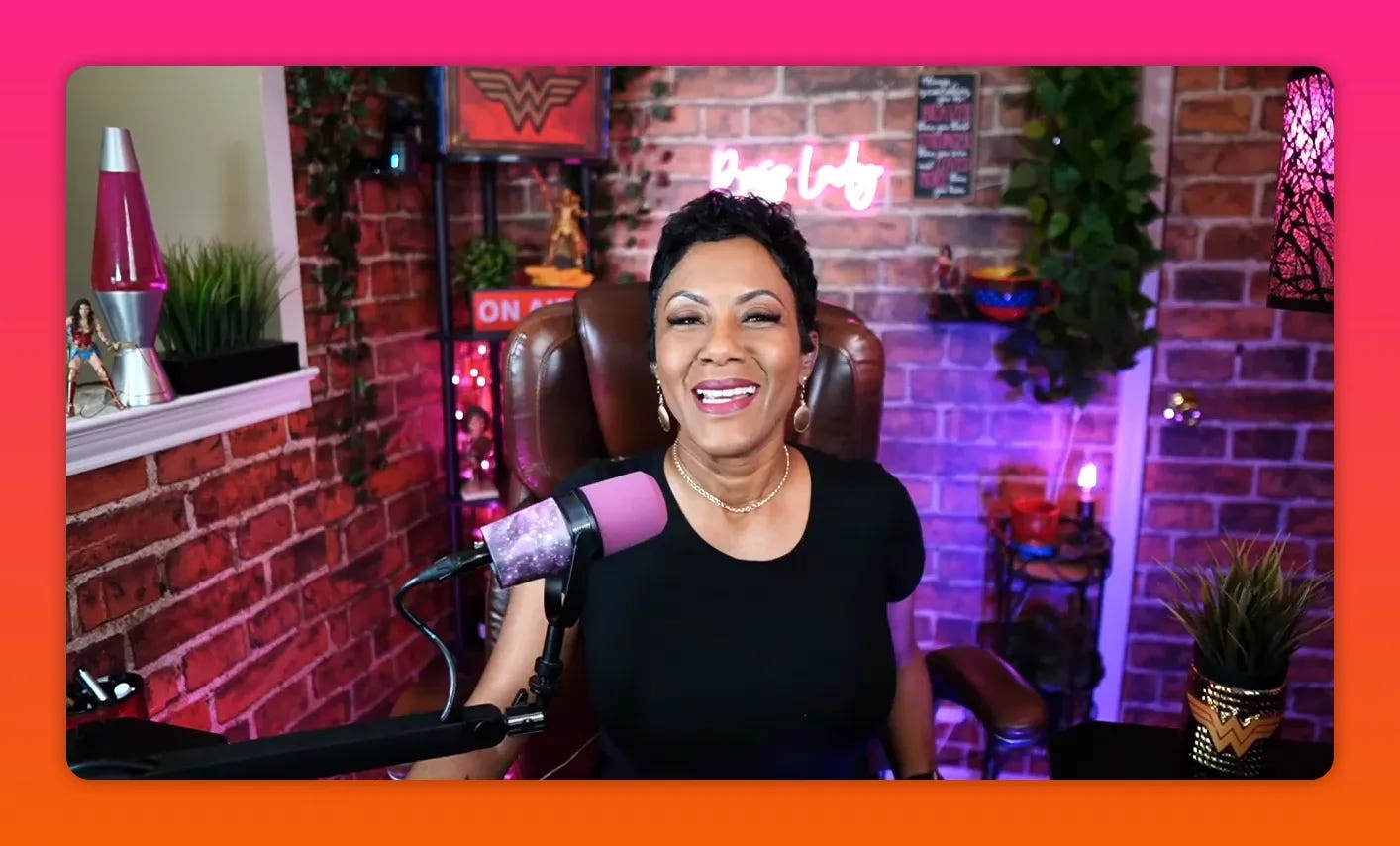
The E’s of purposeful content (a simple framework)
A quick way to decide whether a piece of content is worth creating is to ask: which of the E’s am I serving?
Entertain — People need to be taken away sometimes. Entertainment is legitimate and valuable.
Encourage — A timely pep talk or compassionate guidance can unlock action for someone who lacks confidence.
Educate — Break complex ideas into understandable, actionable steps. This builds credibility and trust.
Elevate — Share what you do and how it solves a problem. This is the purposeful promotional content—direct but helpful.
Most effective creators use a mix of these. The important thing is to choose your intention before you record. That clarity shapes the structure, tone, and CTA.
A true story: why polish without clarity fails
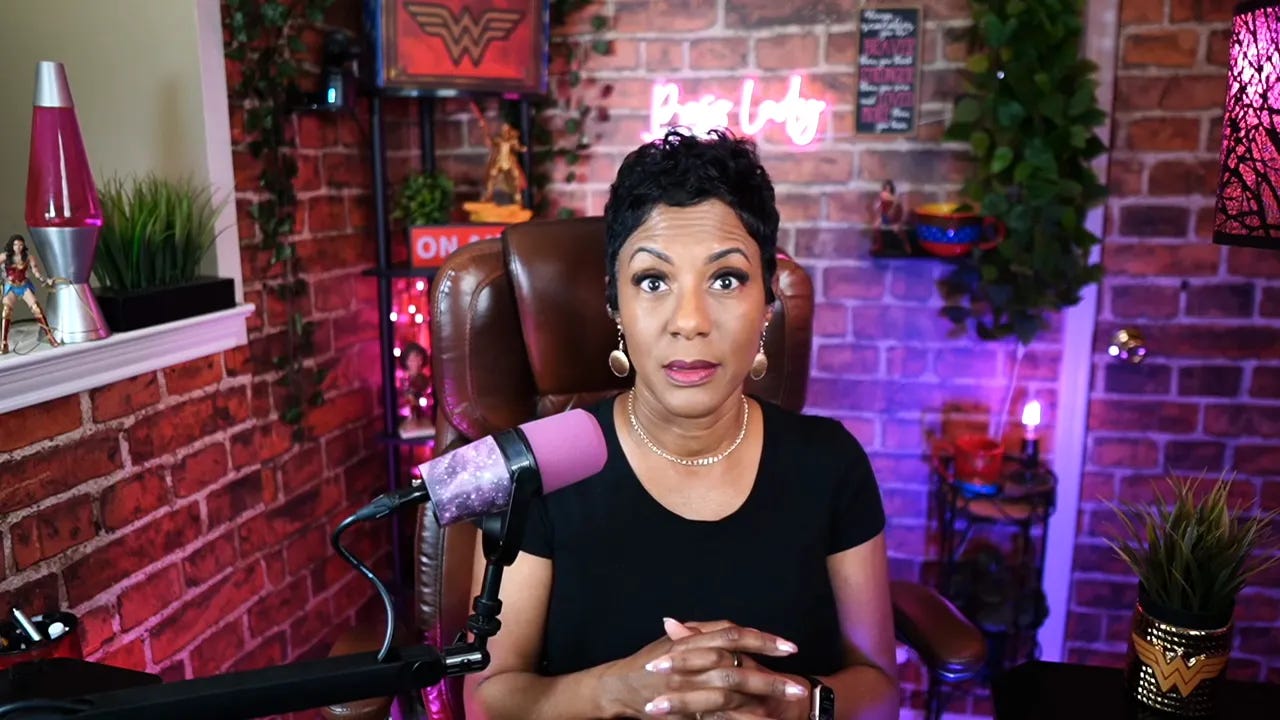
I once invested several thousand dollars in a five-minute, professionally produced bio. It involved scripting sessions, studio time, makeup, outfit coaching, and multiple takes. It looked polished, cinematic, and “official.” Conversion? Zero.
By contrast, a thirty-second phone recording I did—raw, direct, and honest—generated more engagement and conversions than the expensive production. The takeaway is not that aesthetics never matter. They do. But production value cannot substitute for clarity of message or for sending the right emotional signals to the right audience.
The three things that do matter (in your physical setup)
If you want to improve your credibility quickly without overinvesting in gear, focus on three practical, high-impact areas. These are the smallest levers with the biggest returns.
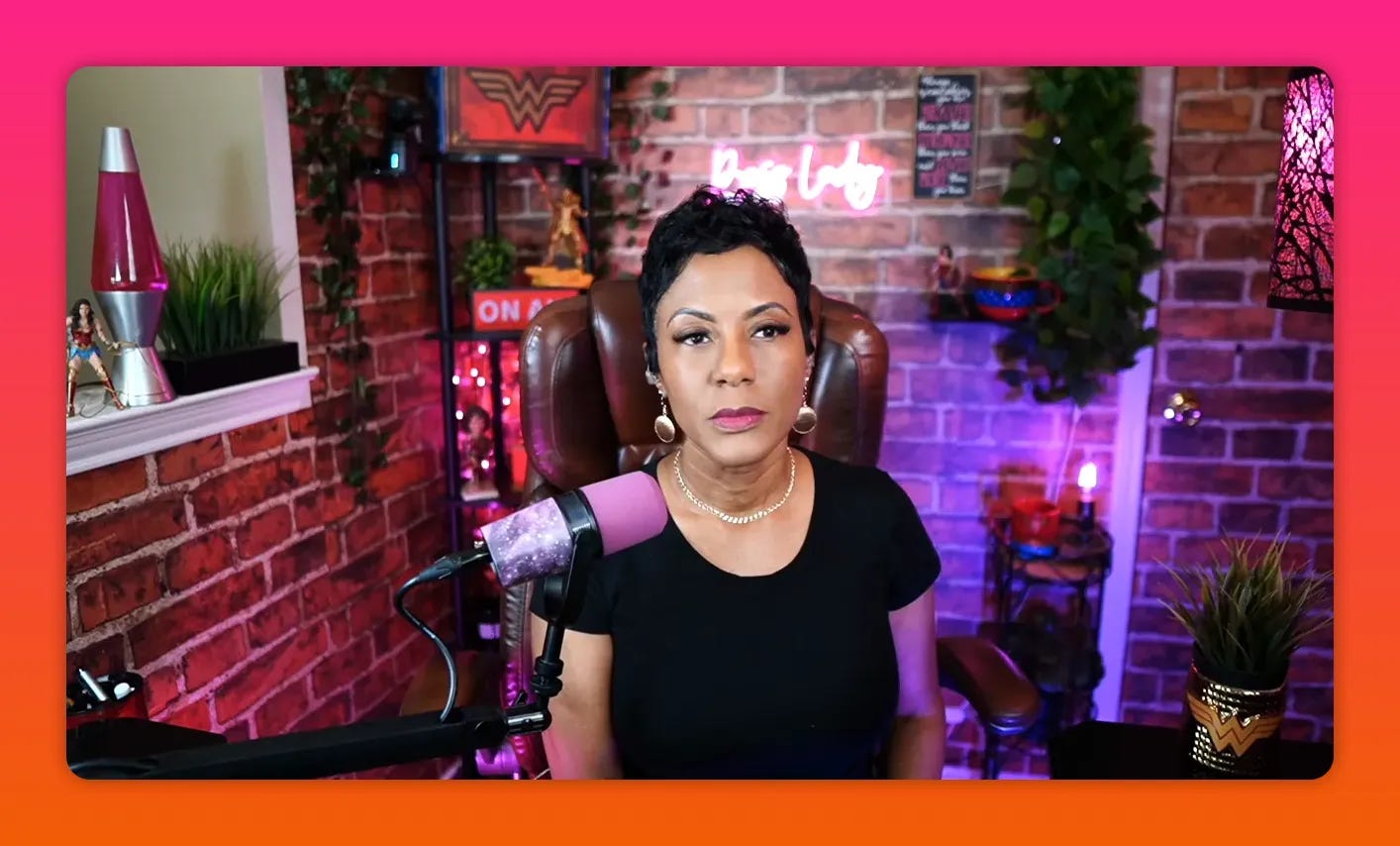
1. Lighting
Good lighting helps your audience see you and keeps attention on the message. It does not have to be an expensive kit.
Start with natural light. Face a window, not have a window behind you.
If buying lights, a basic softbox, LED panel, or even affordable clamp lamps from a hardware store will outperform hiding in the dark.
Ring lights work if you need a cheap entry point, though diffused soft light yields a more flattering result.
2. Audio
Poor audio drives people away faster than poor video. Viewers tolerate a rough image far more than they tolerate inaudible or echoing audio.
Start with earbuds or a simple lavalier mic. Even modest USB mics make a big improvement.
Consider portable clip-on wireless mics (DJI and similar brands offer great options at accessible price points).
Record a quick sound check and listen back to ensure clarity.
3. Backdrop
Your background should support—not distract from—your message. Intentional, uncluttered spaces read as professional. Clutter is a cognitive distractor.
Remove irrelevant items or tidy the visible area.
Use a single meaningful object or a bookshelf with curated items that reinforce your brand.
If you need to experiment, use virtual backgrounds or a green screen while you prototype what works.
These three improvements are incremental: start small, measure the difference, and iterate. Over time, small improvements compound into a more polished presence without losing authenticity.
The real barrier: belief, not gear
Even after addressing lighting, audio, and backdrop, many people still hesitate. The obstacle is often internal—fear of judgment, perfectionism, or the belief that confidence must exist before action.
“Confidence is not a prerequisite for showing up. It’s a result of showing up.”
I treat confidence as a dependent variable. It grows when you create systems, do the work repeatedly, and collect feedback. You don’t think your way into competence; you record your way into it.
The 48-hour, three-take challenge (a practical sprint)
For the coach or consultant who keeps postponing a launch or a sales piece:
Spend one hour drafting a short script focused on one problem your most valuable viewer (MV3) has right now. Keep it to 15 minutes of content max.
Use any room in your home. Aim for decent light and minimal background clutter.
Record a maximum of three takes. Choose one without over-reviewing and post it.
This constrained process prioritizes completion over perfection. It forces clarity and prevents endless tinkering. Often that single imperfect launch is the catalyst to iterate and improve based on real audience feedback.
Mini Action Plan — 3 immediate steps
Use this mini plan as your launch pad. No new camera required.
Pick one MV3 problem and schedule it. Block 90 minutes on your calendar this week: 30 minutes to draft a 15-minute script, 30 minutes to record (three takes max), 30 minutes to post and write a short caption or description.
Fix one practical element. Choose either lighting, audio, or backdrop to improve this week. If you already have decent light, invest in a simple lavalier or try a budget LED. If audio is decent, tidy the background and add one meaningful prop.
Repurpose immediately. After posting, identify three ways to reuse the recording: a 60-second clip, a short newsletter snippet, and a downloadable checklist. Schedule these to publish over the following week.
Three closing truths I want you to keep
Done beats perfect. The first step is always publication. You get feedback by shipping.
Presence beats perfection. People connect with clarity and consistency more than polish.
Your expertise is already enough. The missing variable is your decision to show up regularly.
If you are holding back because of a camera or gear, give yourself permission to start where you are. The fastest route to authority is a clear idea, consistent delivery, and a willingness to iterate.
Subscribe to the channel where you get this kind of practical strategy, leave a short review to help others find these resources, or share this article with a colleague who’s waiting for “the perfect moment.” Better yet, pick one of the three mini action steps above and tell me what you did. I’ll celebrate your progress and offer feedback.
You have a voice that somebody needs. Press record.


